
Skills & Livelihoods
Help African widows and young people
learn skills for a more independent future.
Support hands-on skills training for widows and young people in refugee communities.
Skills that stay with a person
A useful skill creates choices.
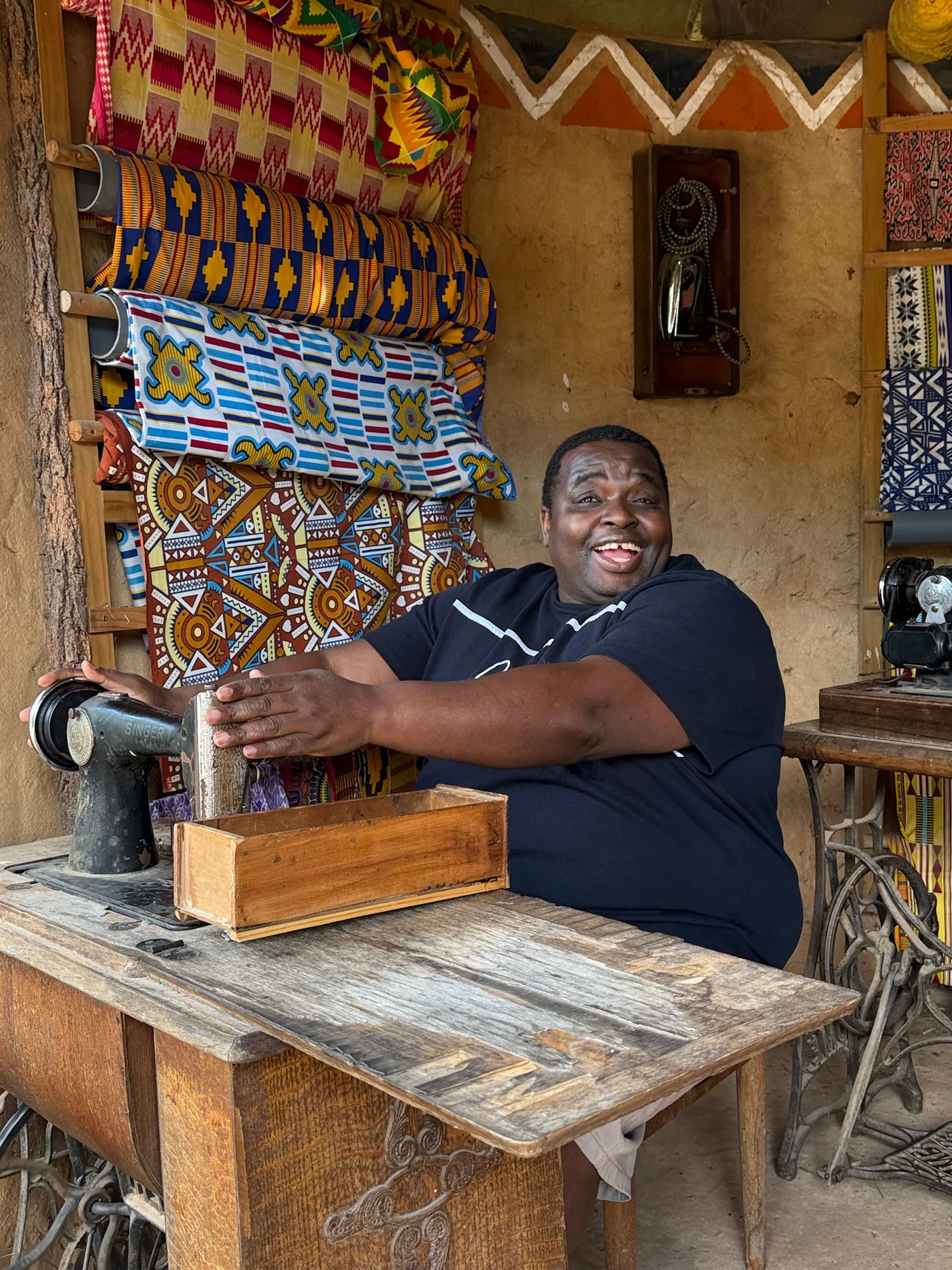
Sewing a garment, repairing a bicycle or laying a straight course of bricks can become a path to earning. OWAID supports practical training that connects learners with the tools, practice and confidence needed to use those skills.
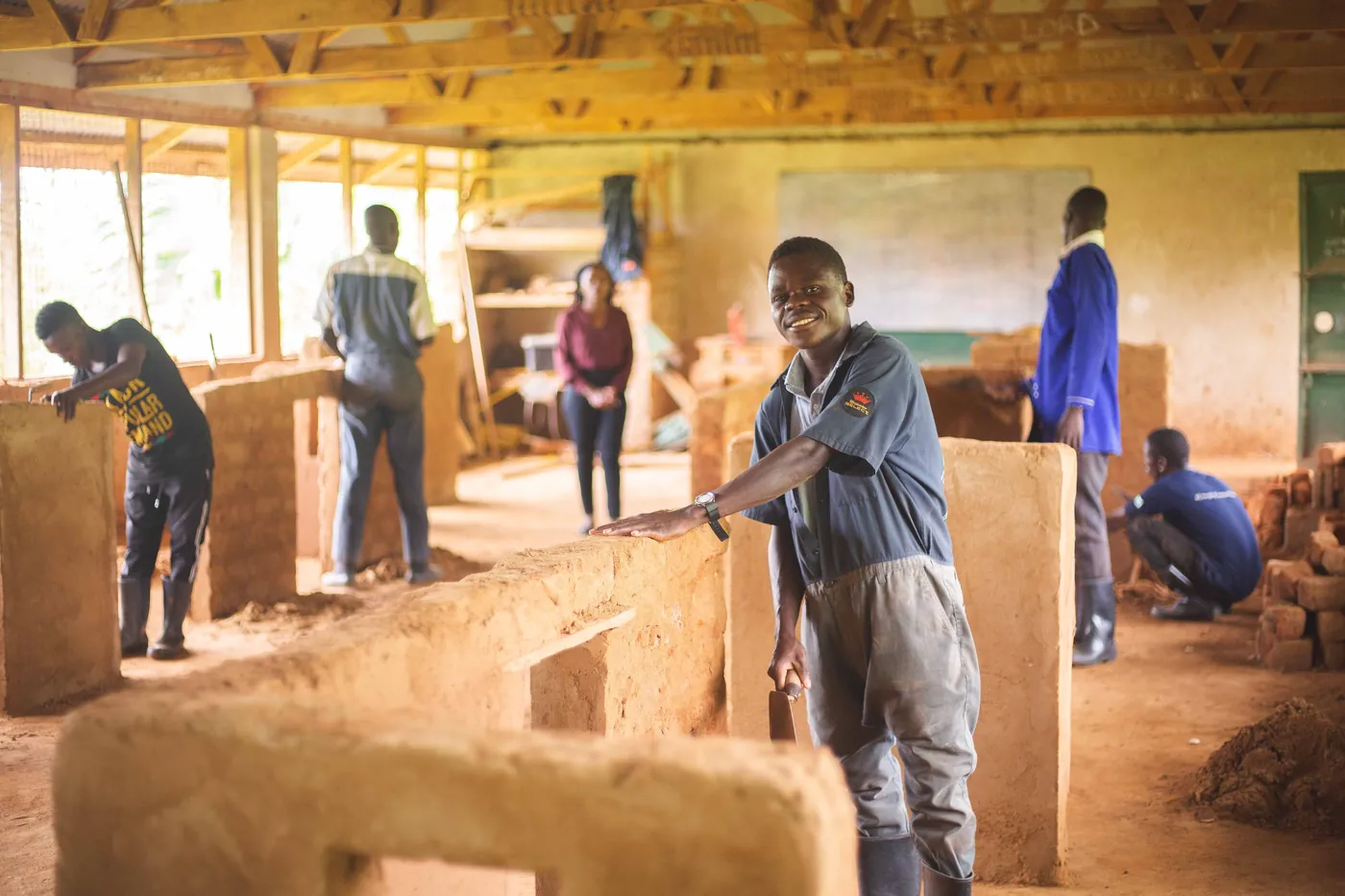
Our skills priorities include sewing and tailoring, farming, bicycle repair, basic mechanics, carpentry, mat making and bricklaying. Training should respond to local demand and use equipment that learners can realistically access and maintain.
Youth mentorship goes alongside practical learning. We encourage young people to avoid harmful drug and alcohol use, seek positive community support and explore a Christian way of life through willing participation in faith and fellowship.
- Sewing, tailoring and mat making
- Farming, bicycle repair and practical mechanics
- Carpentry, bricklaying and small-business foundations
The next step matters
Tools, practice and a first opportunity.
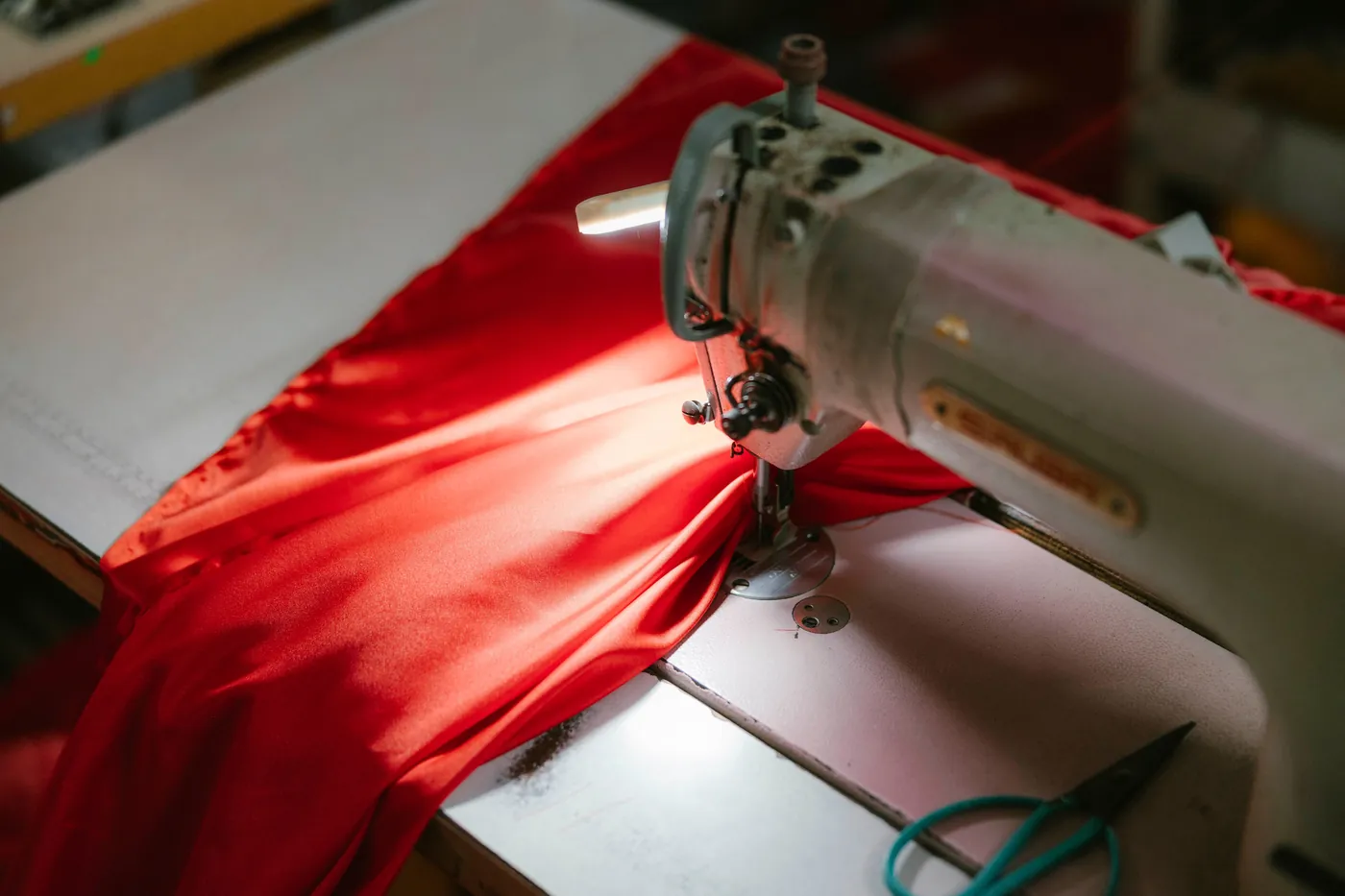
A course is most useful when a learner has time to practice, understands safety, and can take the next step. Support may help provide sewing machines, repair tools, materials, seeds or mentorship. Tell us if you can contribute specialist knowledge or suitable equipment.
- Ask about current needs and available projects
- Discuss the purpose and scope of your support
- Request appropriate updates as the work progresses
Here to help
Questions about
skills & livelihoods.
Which trades does OWAID support?
Our priorities include tailoring, farming, bicycle repair, basic mechanics, mat making, carpentry and bricklaying. The available training depends on local instructors, equipment and community needs.
Can I donate equipment?
Please contact us before shipping machinery or tools. The team can discuss suitability, safe use, spare parts, transport and whether buying equipment locally would be more useful.
How does training support young people?
Practical skills are paired with mentorship, positive relationships and encouragement to make healthy choices. Training is intended to strengthen independence and participation in community life.
Together, we can help
a family begin again.
Give toward a home, a school year or the everyday care that makes a future possible.